


READING THE BIBLE
New to the Bible? Not sure where to begin? Let’s help get you started!
Did you grab one of our free bibles? Or maybe someone gave you one and you’re wondering how to get started. Either way - welcome! You don't need any prior knowledge, a theology degree, or even a strong faith to open this book. You just need to start somewhere.
The Bible isn't one book - it's a whole library. 66 books written across thousands of years, covering history, poetry, letters, prophecy, and biography. That's why you don't need to read it from cover to cover.
Here are some great places to begin:
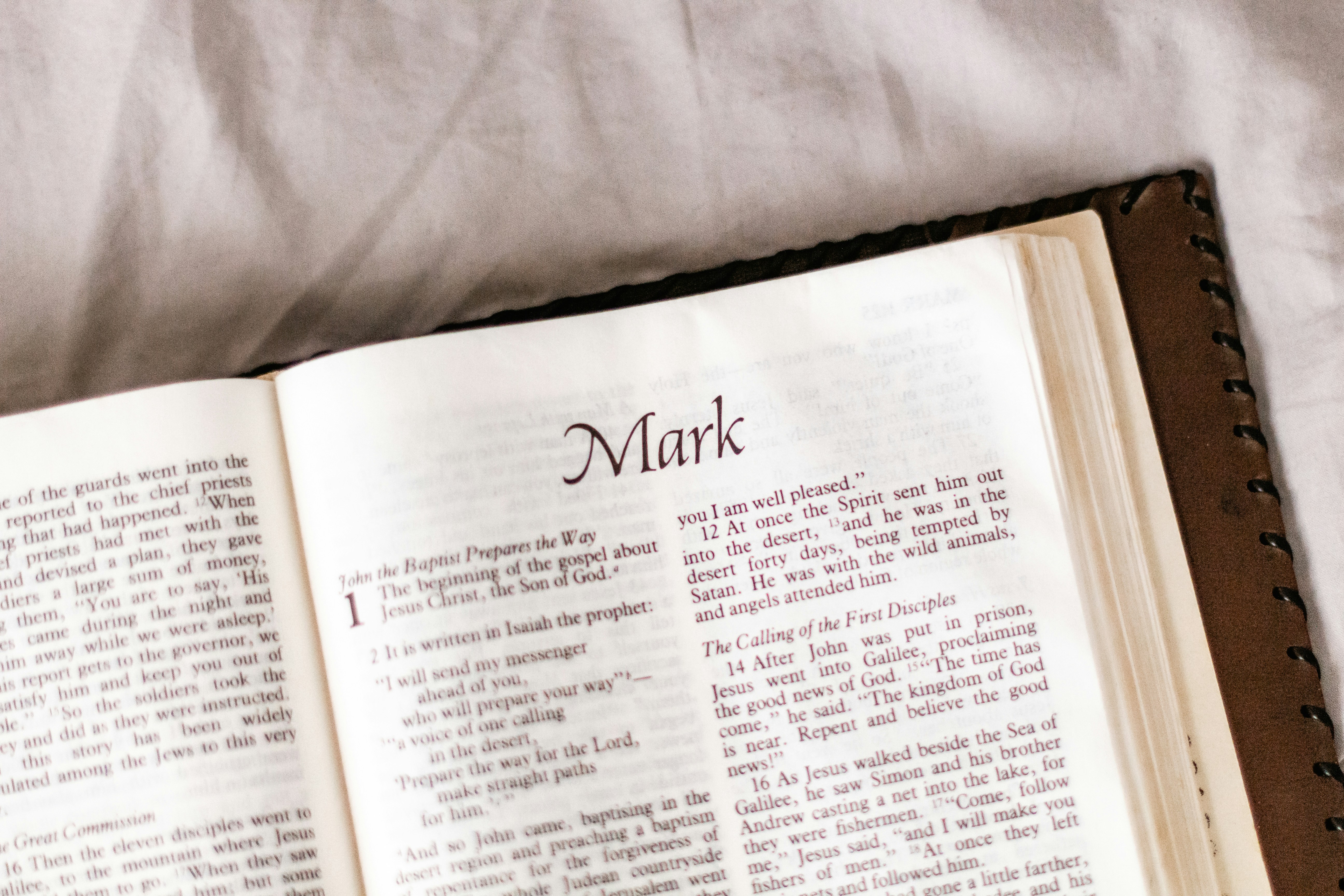
MARK
This is a great place to start. Mark is a fast-paced, action-packed account of the life of Jesus. Short chapters, punchy storytelling. A great way to get a quick understanding of the life of Jesus, his death and (spoiler alert) resurrection.
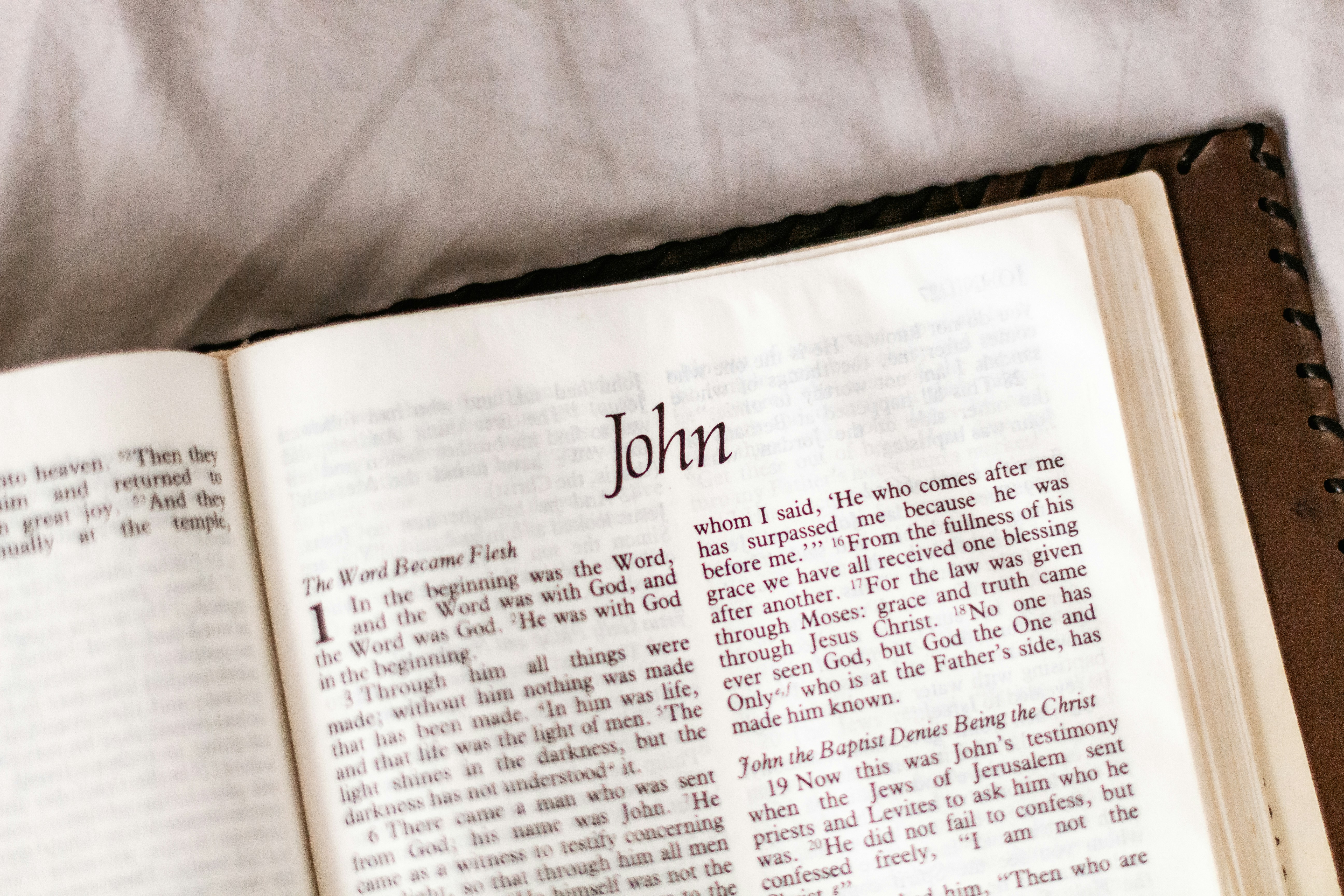
JOHN
If you are looking for a deeper, more reflective telling of Jesus' story, start here. John tackles big questions head-on like who is God, what is truth, why does any of this matter? He also recounts a number of amazing miracles done by Jesus.
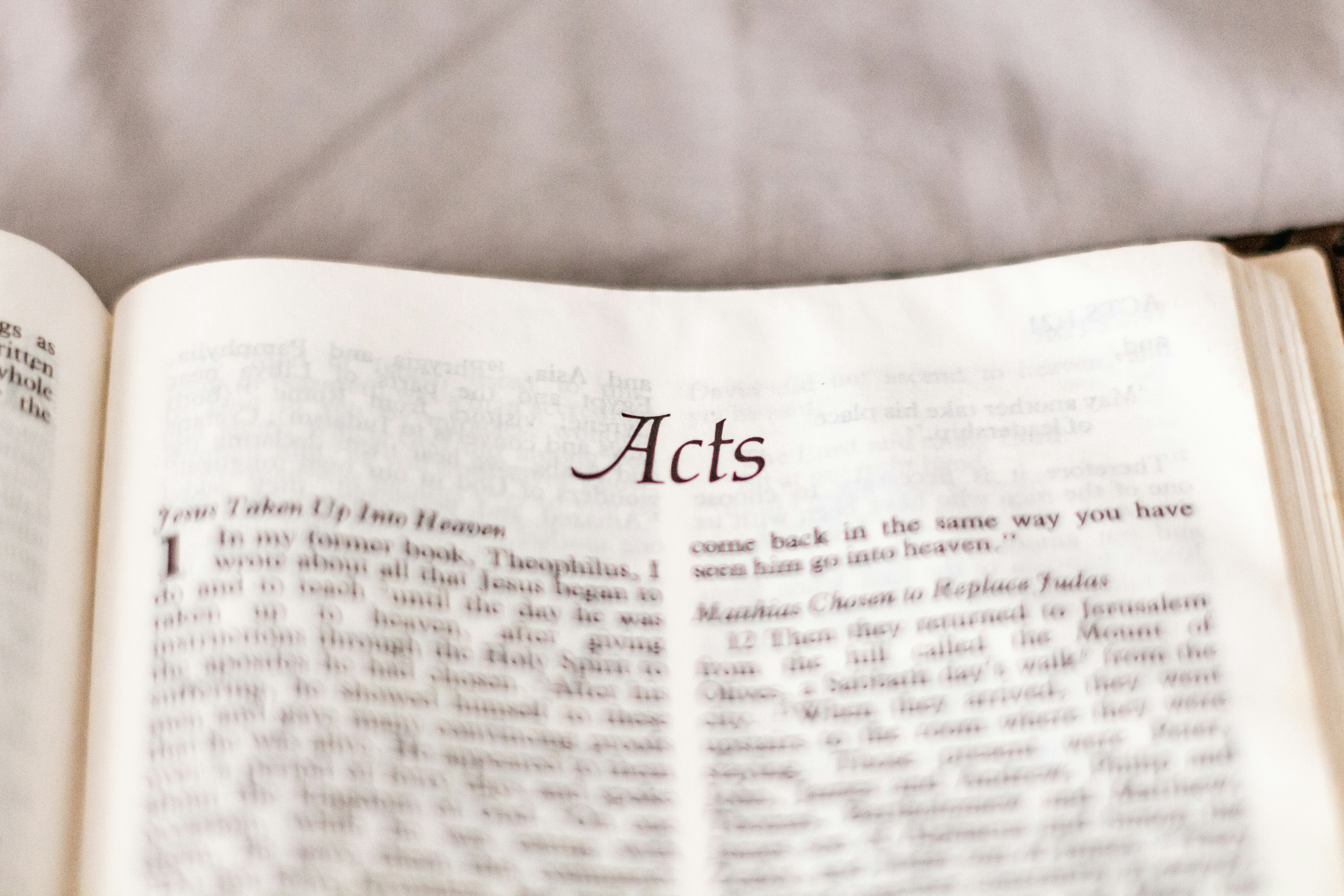
ACTS
This is the story of the very first Christians and picks up straight after his resurrection to tell you what happened after Jesus. How did the church begin and how did a bunch of ordinary people change the world. Acts is a direct sequel to Luke, but you can read it after Mark or John too.
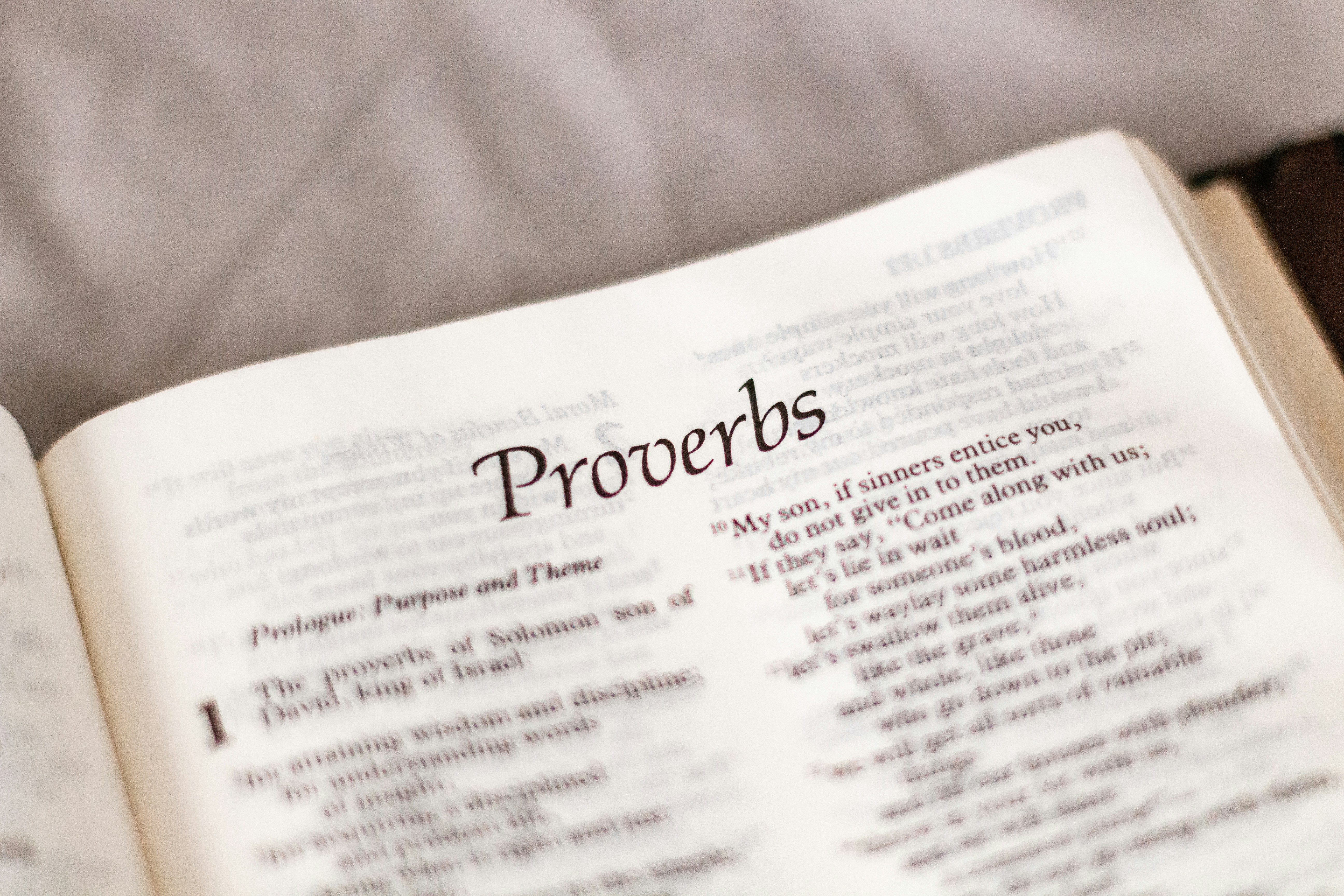
PROVERBS
This book is full of short, sharp wisdom sayings covering everything from money and relationships to how to handle your emotions. Surprisingly practical and down to earth, this book can be read line by line. This book can have a huge impact on your life if you are willing to hear the truths it contains.
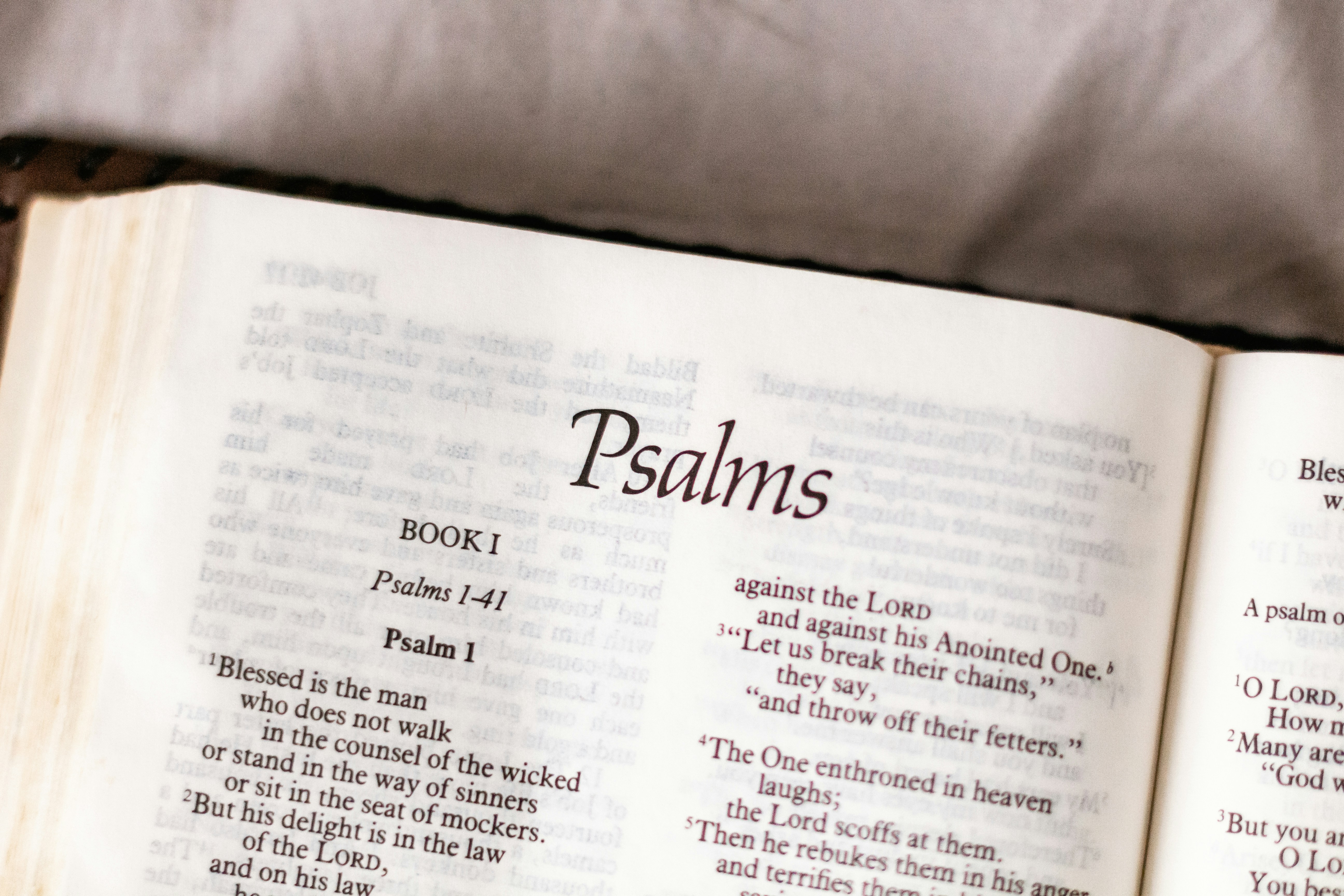
PSALMS
Pronounced with a silent P - this books is full of ancient songs and prayers. They are honest, raw, and full of emotion. A great companion if you want to use the Bible to help you talk to God, whether you are feeling overwhelmed and under pressure, or full of joy and grateful for life itself.
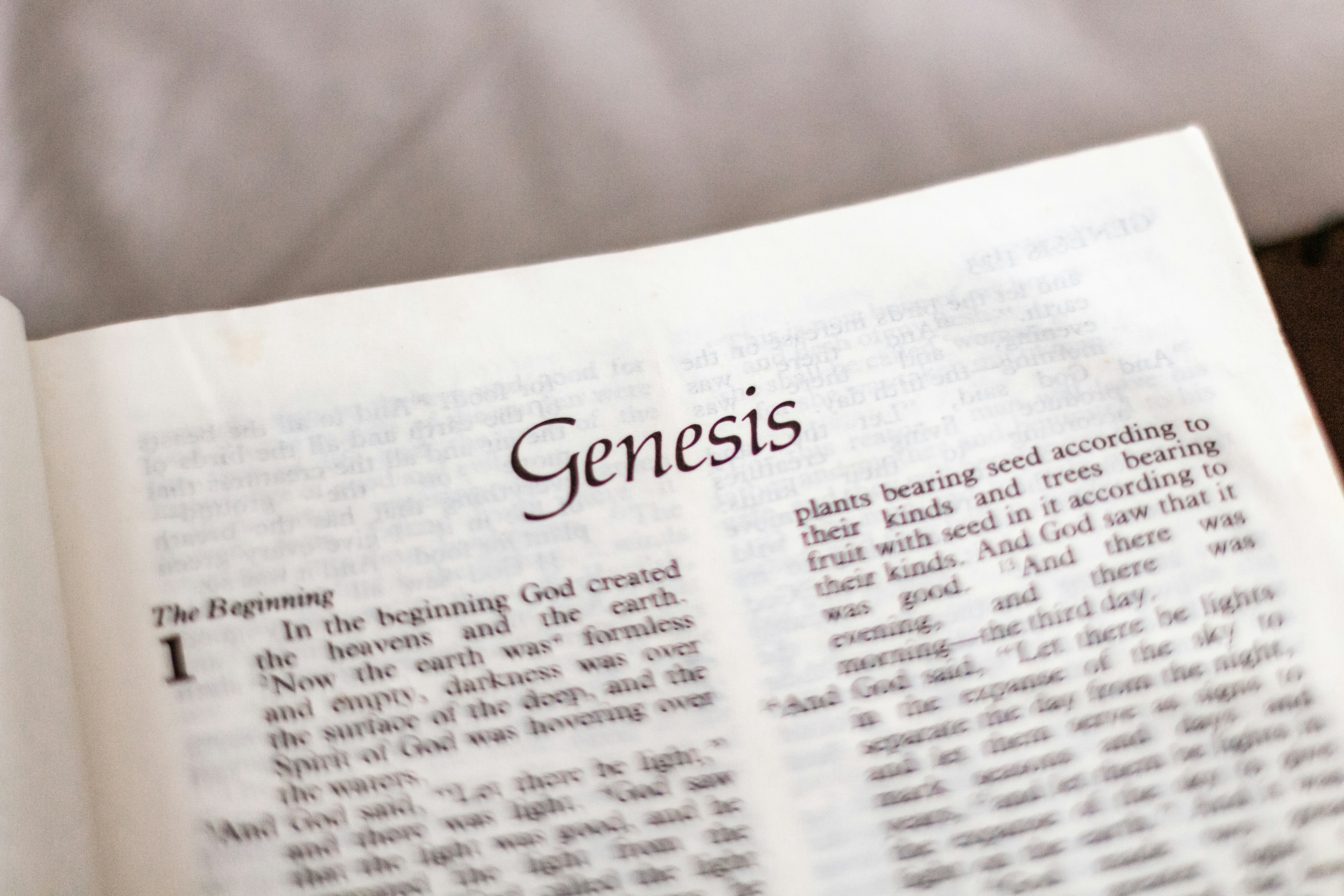
GENESIS
Find out how it all began! Genesis recounts the beginning of everything. From God creating the whole universe, the earth and humanity, to the first families, the first failures, and the first glimpses of hope. This is where the whole story starts.
MARK
This is a great place to start. Mark is a fast-paced, action-packed account of the life of Jesus. Short chapters, punchy storytelling. A great way to get a quick understanding of the life of Jesus, his death and (spoiler alert) resurrection.
JOHN
If you are looking for a deeper, more reflective telling of Jesus' story, start here. John tackles big questions head-on like who is God, what is truth, why does any of this matter? He also recounts a number of amazing miracles done by Jesus.
ACTS
This is the story of the very first Christians and picks up straight after his resurrection to tell you what happened after Jesus. How did the church begin and how did a bunch of ordinary people change the world. Acts is a direct sequel to Luke, but you can read it after Mark or John too.
PROVERBS
This book is full of short, sharp wisdom sayings covering everything from money and relationships to how to handle your emotions. Surprisingly practical and down to earth, this book can be read line by line. This book can have a huge impact on your life if you are willing to hear the truths it contains.
PSALMS
Pronounced with a silent P - this books is full of ancient songs and prayers. They are honest, raw, and full of emotion. A great companion if you want to use the Bible to help you talk to God, whether you are feeling overwhelmed and under pressure, or full of joy and grateful for life itself.
GENESIS
Find out how it all began! Genesis recounts the beginning of everything. From God creating the whole universe, the earth and humanity, to the first families, the first failures, and the first glimpses of hope. This is where the whole story starts.
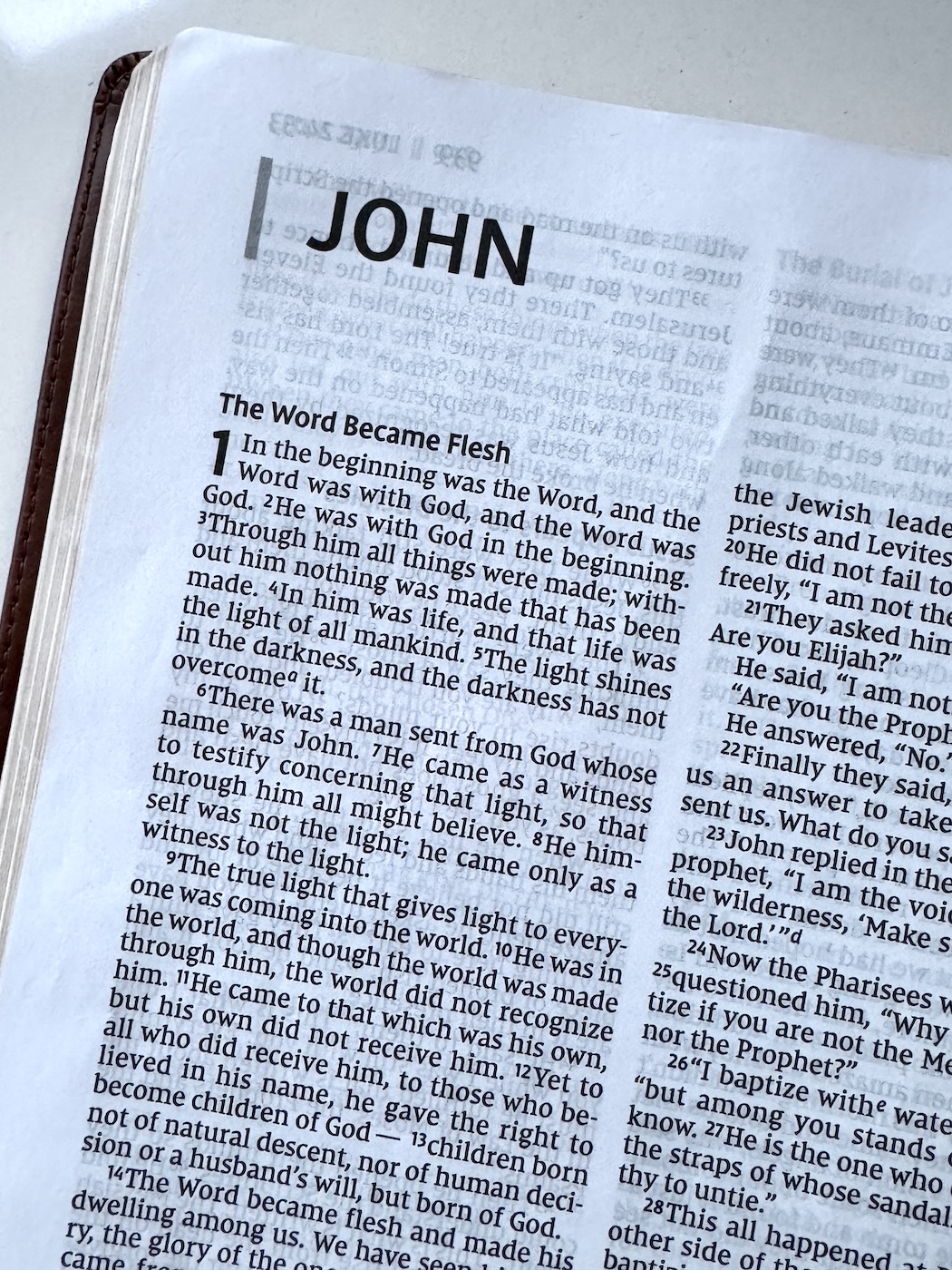
The Bible can look a bit confusing at first with all its numbers. Here's a quick explainer.
When the Bible was first compiled, chapters and verse numbers were added to make it easier to find specific passages. They weren't part of the original writings.
So when you see something like John 3:16, that means:
- John = the book
- 3 = the chapter (usually shown as an extra large bold number)
- 16 = the verse (usually shown by a small number at the start of a sentence)
Most Bibles display the book and chapter at the top of each page, with large chapter numbers and small verse numbers running throughout the text. (See image)
Try looking up the following scriptures using the book, chapter and verse provided:
- God's love — John 3:16
- Finding peace — Philippians 4:6–7
- Strength & courage — Joshua 1:9
- Wisdom & guidance — Proverbs 3:5–6
- New beginnings — 2 Corinthians 5:17
- God's plans for you — Jeremiah 29:11
- Forgiveness — 1 John 1:9
- Hope — Romans 15:13
- God's presence — Psalm 139:7–10
- Anxiety & worry — Matthew 6:25–27
- Identity — Psalm 139:13–14
- Grace — Ephesians 2:8–9
1. START SMALL
You don't need to read for hours. Ten to fifteen minutes a day is enough, and it adds up quickly. The goal isn't speed, it's familiarity.
2. USE A READING PLAN
A reading plan takes the guesswork out of what to read next. The YouVersion Bible app (free, by Life.Church) has hundreds of plans covering almost any topic or question you might have. A great place to start is their Life of Jesus plan.
3. KEEP A NOTEBOOK HANDY
When you come across a word you don't recognise, or a question pops into your head - write it down. You don't need to solve it right away. Good questions lead to great conversations.
4. DON’T JUST READ ALONE
The Bible was also meant to be read in community. If you're attending C3 LIFE, our Sunday messages walk through scripture together each week. And if you'd like someone to chat through your questions with, we'd love that. Just get in touch!
5. MAKE NOTES / ADD HIGHLIGHTS
Some people ask if it’s ok to make notes in your Bible and the answer is Yes! Your Bible is a personal book that you might want to highlight key verses in order to find quickly, or make small notes in the margin with questions or things you feel God is saying to you at the time. You can actually buy “Journalling Bibles” that have wide margins and space for notes. Just don’t cross anything out!
6. WHICH BIBLE SHOULD I USE?
There are dozens of English translations of the Bible - some more formal, some more readable. If you're just starting out, we'd recommend:
- NIV (New International Version) - Clear, readable, and widely used. A great all-rounder.
- ESV (English Standard Version) - A more direct word for word translation for studying.
- The Bible app (YouVersion) - Free on any device. Lets you switch between translations instantly, listen to audio versions, and follow reading plans. You don't need to buy anything to get started. The app is free and has everything you need.




Copyright © C3 LIFE Church in Leeds 2026 | Privacy Policy | Cookie Policy